
Winona Ryder: The 90s Goth Muse Who Redefined Contemporary Screen Presence
“Explore the iconic career of Winona Ryder, from Beetlejuice and Edward Scissorhands to Little Women, Oscar nominations, and her triumphant Stranger Things resurgence.”
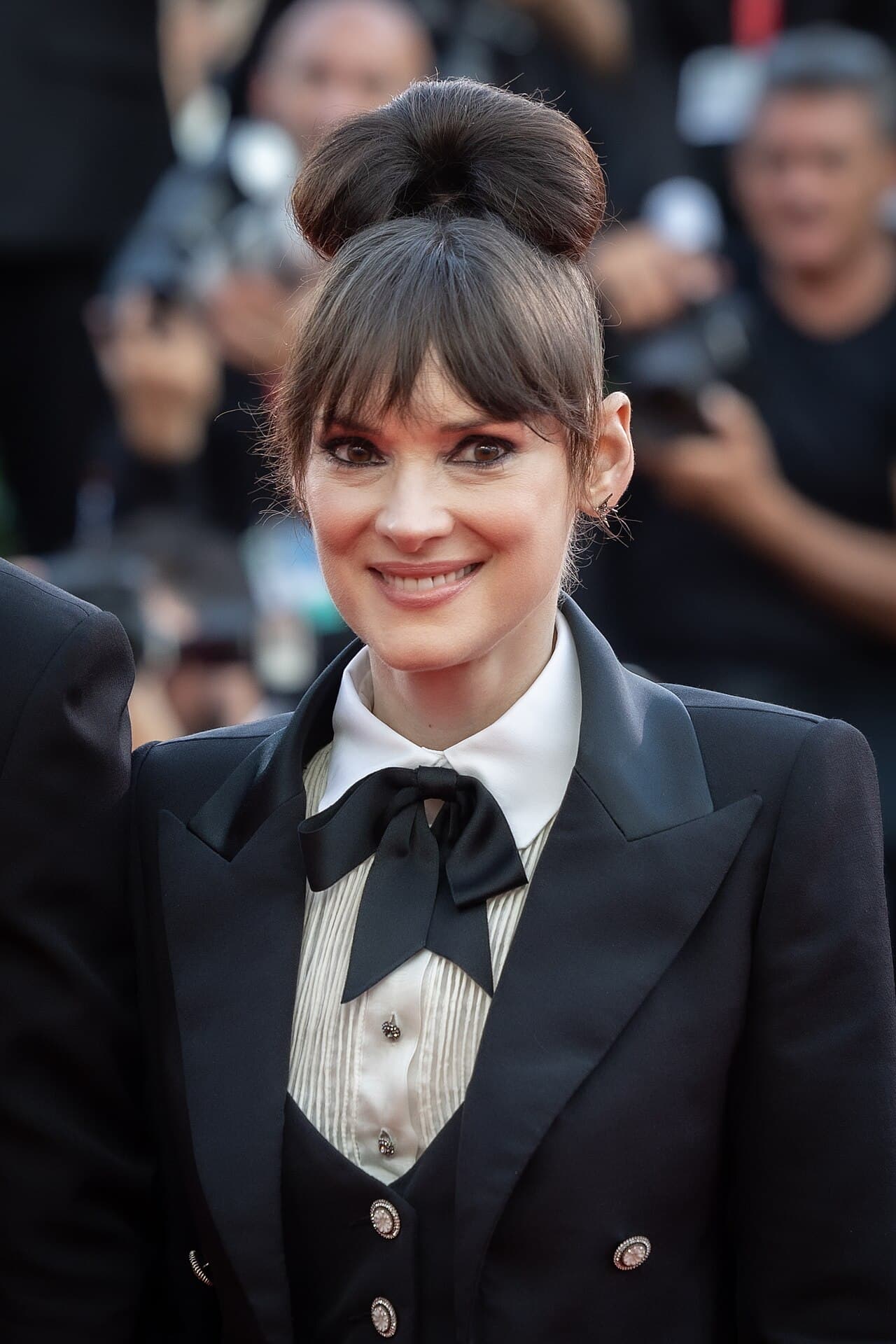
The Timeless Archetype of Alternative Screen Elegance
In the vibrant cultural tapestry of late-twentieth-century cinema, no actress captured the moody introspective yearning, gothic wit, and delicate countercultural defiance of Generation X quite like Winona Ryder. Bursting onto theater screens with dark doe-like eyes, razor-sharp deadpan line deliveries, and an ethereal vulnerability, Ryder redefined the archetype of the female leading lady, steering Hollywood away from glossy commercial glamour toward authentic indie quirkiness. Pop culture historians analyzing generational screen royalty frequently explore her creative legacy alongside the enduring cinematic brilliance explored in our retrospective of julia roberts, where distinct feminine presence shaped the golden age of nineties movies.
Ryder cinematic identity was forged in deliberate rebellion against manufactured teen cliches. Collaborating with auteur visionaries including Tim Burton, Francis Ford Coppola, and Martin Scorsese, she portrayed young women who were intellectual, slightly strange, fiercely independent, and unapologetically complicated. Rather than being confined by nostalgic nineties affection, her extraordinary mid-career resurgence in modern streaming television proved the timeless resilience of her screen magnetism.
The Burton Gothic Trilogy and Beetlejuice Stardom
The cultural earthquake that established Winona Ryder as the patron saint of eccentric outsiders arrived in 1988 with Tim Burton supernatural comedy Beetlejuice. Portraying Lydia Deetz, the black-clad, morbidly poetic teenager who was herself strange and unusual, Ryder tapped into a deep reservoir of adolescent alienation with warmth and deadpan brilliance. The performance turned her into an instant countercultural icon, proving that darkness and eccentricity could be deeply charming and relatable.
Their creative alchemy deepened in 1990 with the sublime suburban fairytale Edward Scissorhands, where Ryder played opposite Johnny Depp in a bittersweet romance that showcased her capacity for radiant emotional warmth. Coupled with Michael Lehmann savage black comedy satire Heathers, where Ryder subverted high school teen comedies through caustic cynicism and sharp moral clarity, she established herself as the undisputed queen of alternative American cinema before she had even reached her twenties.
Period Drama Mastery and Academy Award Recognition
Eager to demonstrate her classical dramatic range beyond alternative subcultures, Winona Ryder embarked on a series of breathtaking literary and period adaptations that earned universal critical adulation. In Martin Scorsese opulent 1993 drama The Age of Innocence, Ryder held her own opposite Daniel Day-Lewis and Michelle Pfeiffer, portraying the seemingly innocent May Welland with chilling, quiet manipulative cunning that earned her an Academy Award nomination for Best Supporting Actress.
The following year, she earned an Academy Award nomination for Best Actress for her definitive portrayal of Jo March in Gillian Armstrong beloved 1994 adaptation of Little Women. Imbuing the iconic literary heroine with fierce creative ambition, tomboyish independence, and deep sisterly devotion, Ryder created a timeless performance that remains the gold standard for literary screen adaptations. Her portfolio expanded through Francis Ford Coppola Bram Stoker Dracula and James Mangold psychological drama Girl, Interrupted, which she executive produced and personally championed into production.
The Streaming Renaissance: Joyce Byers and Cultural Immortality
After stepping back from the relentless spotlight of Hollywood to protect her personal peace, Winona Ryder orchestrated one of the most celebrated comebacks in television history in 2016 as Joyce Byers in Stranger Things. As a frantic, fiercely devoted mother communicating with her vanished son through tangled Christmas lights and sheer maternal instinct, Ryder brought feral emotional authenticity and raw vulnerability that anchored the supernatural streaming juggernaut.
Her performance resonated with millions of fans across generations, bridging beloved nostalgic nineties reverence with cutting-edge modern storytelling. Combining classical theatrical discipline, an immortal gothic aesthetic, and a tender human heart that shines through every frame, Winona Ryder remains an irreplaceable jewel of world cinema—an enduring artist whose timeless brilliance continues to captivate audiences across the globe.

Julian Vance-Moreau
Executive Editor-at-Large covering central bank bullion, high-horology, and sovereign wealth portfolios across Zurich, London, and Dubai.
Related Intelligence in Culture & Lifestyle
View Category →
Inside the Life and Legacy of Robert De Niro and His Children
Explore the private family life of Robert De Niro and his seven children, spanning fifty-two years of fatherhood, individual passions, and enduring parental wisdom.
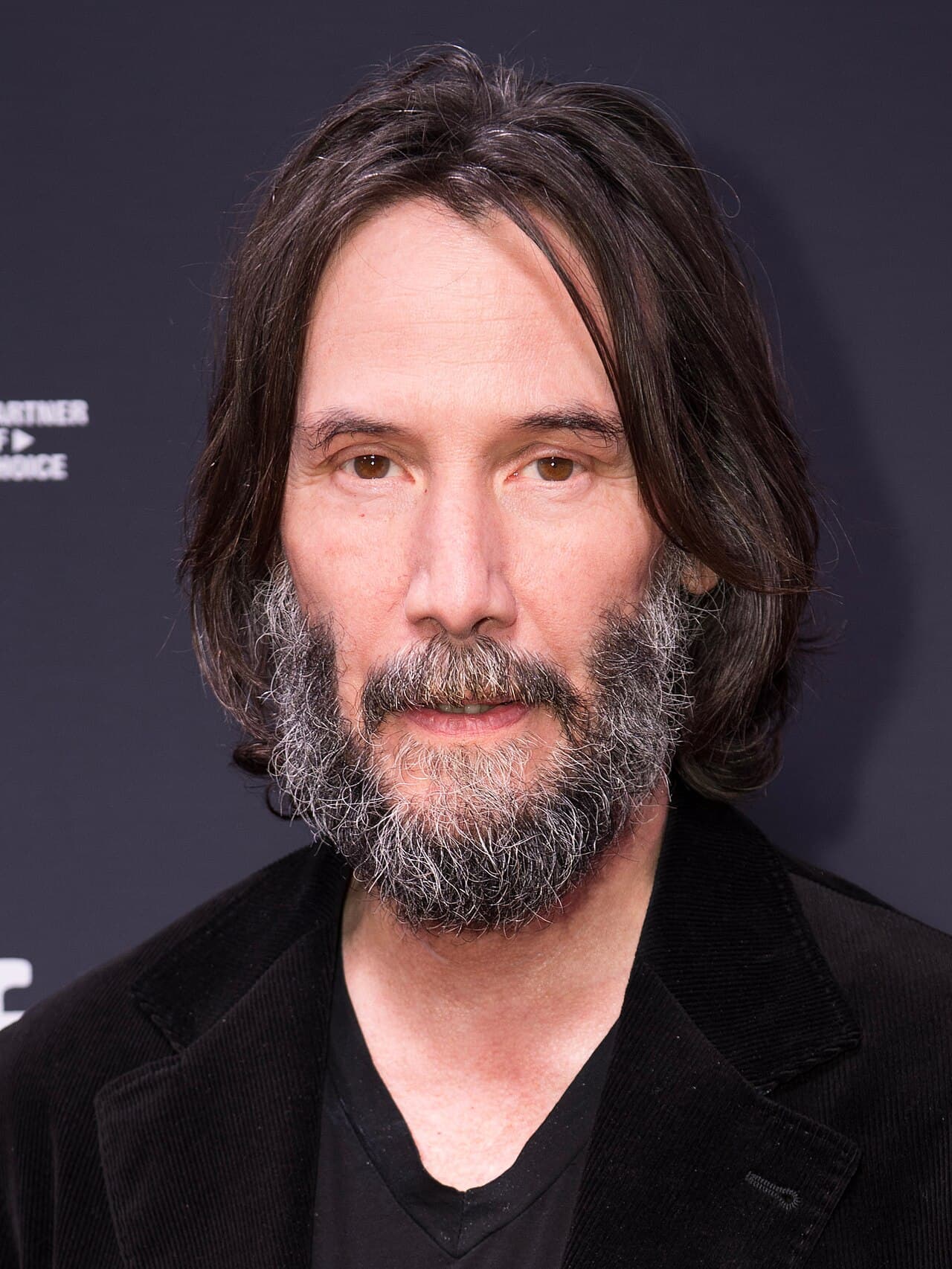
How Old Is Keanu Reeves? The Ageless Hollywood Star and Action Cinema Legend
Discover how old Keanu Reeves is, his remarkable four-decade cinema career, relentless tactical stunt training in John Wick, and his reputation as Hollywood’s ultimate gentleman.
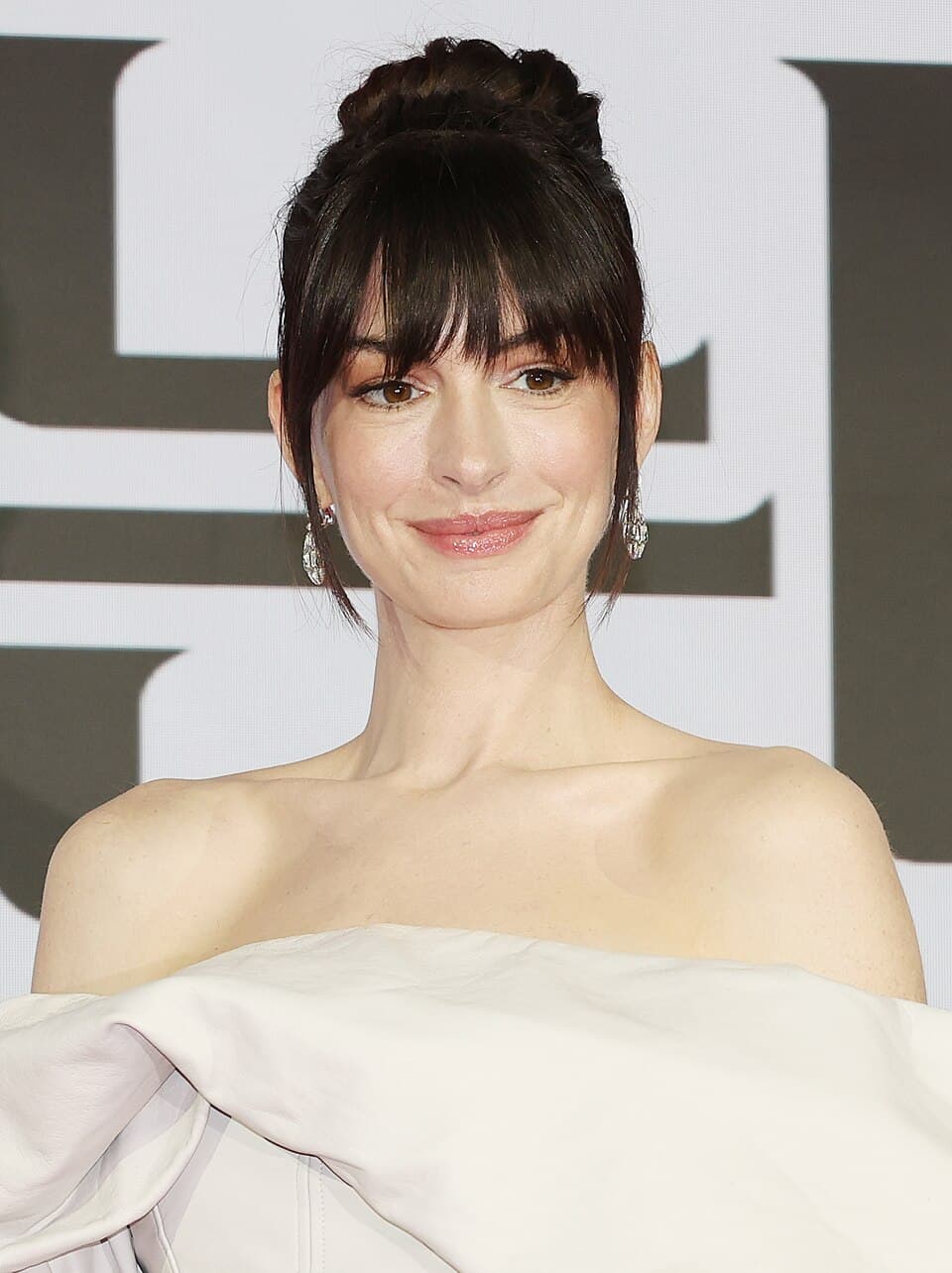
How Old Is Anne Hathaway? Timeless Charm and Acclaimed Versatility
Discover how old is Anne Hathaway, exploring her iconic roles in The Princess Diaries, Les Miserables, Interstellar, and her mature career.